Table Of Content
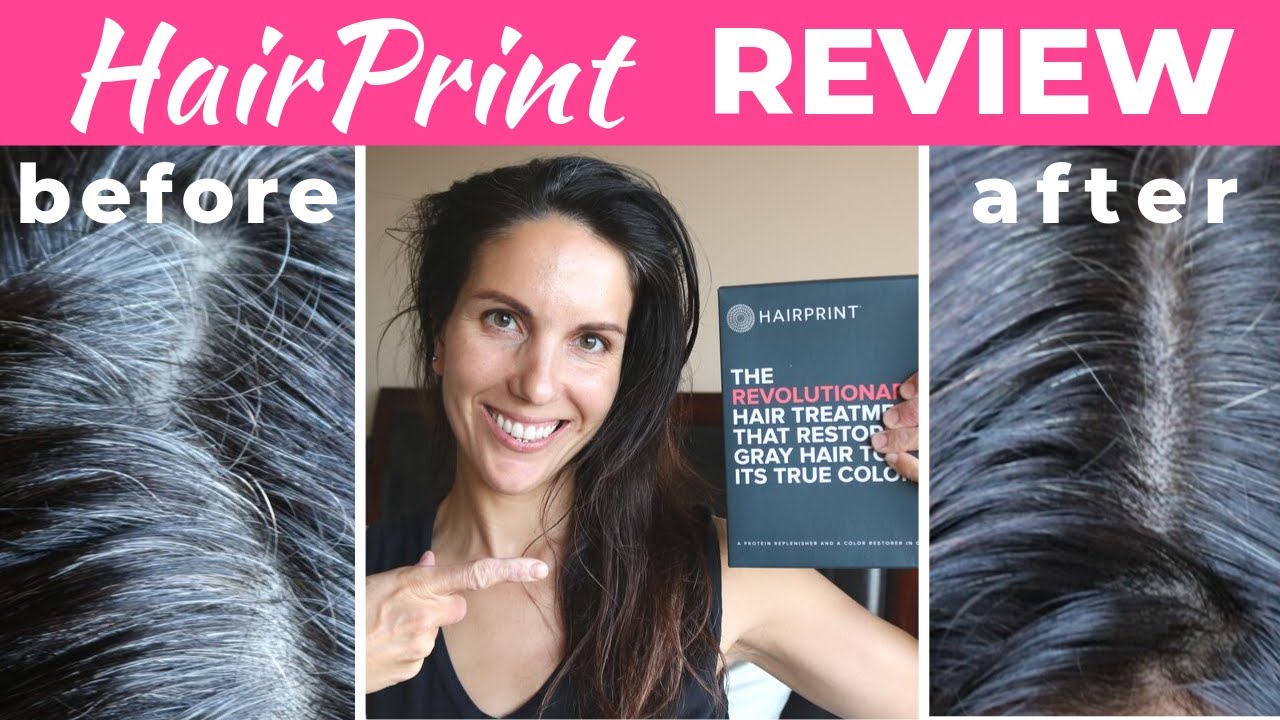
Quantitative mapping of human hair greying and reversal in relation to life stress. The study involved a small number of people, and the changes in hair color were subtle and only seen with a high-resolution scanner. But they provide evidence that turning gray may not be a fixed process. In the study, researchers were able to analyze how individual hair shafts changed over time. They showed that stress was linked to hairs turning gray, and when that stress was removed, some color was restored in some parts of the hair.

Stress can turn hair gray, but the process is reversible, study finds
“This is a proactive product and works best in the early stages of graying [for consumers with] less than 30 percent gray hair [to retain their color],” says Jay Small, hairstylist and Arey co-founder of the supplement. “The ingestible formula contains ingredients like vitamin D, copper, B12, and fo-ti that are purported to prevent premature graying, fuel melanin production, and improve the protective protein structure of the hair. In the first published study to find evidence of "natural re-pigmentation," researchers at Columbia University set out to create a computer model of how hair graying happens with age and in response to stressful events. First they identified 323 proteins that tell us whether a hair was gray, white, or colored at any point in its history. Then they snipped colored and gray hairs from 14 participants who listed and rated the stressfulness of their life over the past year. We know that there's a connection between graying and high stress; you only have to look at the hair of ex-presidents who don't dye it to see that in action.
Stress can turn hair gray -- and it's reversible, researchers find
This analysis revealed that the times when graying or reversal occurred corresponded to periods of significant stress or relaxation. In one individual, a 35-year-old man with auburn hair, five strands of hair underwent graying reversal during the same time span, which coincided with a two-week vacation. Another subject, a 30-year-old woman with black hair, had one strand that contained a white segment that corresponded to two months during which she underwent marital separation and relocation—her highest-stress period in the year. Although it’s mostly genetically driven, premature graying also has a dietary component.
Columbia University Irving Medical Center
Hair graying is predominantly due to these melanocytes not renewing, Dr. Jonathan Zippin, dermatologist at Weill Cornell Medicine, tells TODAY.com. Melanocytes live at the midpoint of the hair, says Zippin, and when they need to replicate, they migrate to the base of the hair follicle and produce pigment, or melanin. If gray hairs have you disheartened (especially if you’ve yet to hit 40), you might be in luck.
Hence, a sudden or rapid change in hair color is not possible as it would require all the hair to fall out and be replaced with new gray hair, which is an extensive process. While the mechanisms behind hair color are complicated, in the simplest terms, gray hair is caused by the loss of pigmentation. As we age, we produce less hair pigmentation, which results in gray hair. For the most part, when exactly this occurs seems to be genetically determined. Hair products containing proactive ingredients can help slow down and preserve the depigmentation process, says Small.
Should you get nutrients from food or supplements?
As humans live longer, it’s natural to assume that many will want to delay or prevent the graying of their hair. Recent research has found that this hallmark characteristic of growing older may, in fact, be reversible. Interestingly, there is science to show that daily scalp massage (regardless of whether you feel a knot) improves circulation to the scalp, which aids in hair regrowth and increased thickness. So if not for gray, scalp massage is beneficial for hair health in general.
At some points, this non-pigment producing follicle bulge contains roughly 50 percent of all McSCs. One day soon, then, perhaps your manager will inspect your head for signs of stress. More than five new gray hairs, and it's off on mandatory vacation you go. And just this one time, human vanity might save us — because in our future world of preventative medicine, new gray hairs are actually worth telling your doctor about. "I was not surprised by any of the stressors that correspond with graying; I was surprised to see how strong of an impact a vacation had on the reversal of graying," says Ayelet Rosenberg, lead author on the study. Epidemiological and investigative study of premature graying of hair in higher secondary and pre-university school children.
Yes, we can reverse gray hair. No, we don't know why it works. Just chill. - Mashable
Yes, we can reverse gray hair. No, we don't know why it works. Just chill..
Posted: Fri, 17 Feb 2023 08:00:00 GMT [source]
Always speak with your physician or other healthcare professional before taking any medication or nutritional, herbal, or homeopathic supplement, or using any treatment for a health problem. If you have or suspect that you have a medical problem, contact your healthcare provider promptly. Do not disregard professional medical advice or delay in seeking professional advice because of something you have read on this website. Nonetheless, many hair scientists and doctors advocate vitamins to treat graying hair. Before you start consuming supplements, you should be tested for deficiencies.
It's True: Stress Does Turn Hair Gray (And It's Reversible) - Columbia University Irving Medical Center
It's True: Stress Does Turn Hair Gray (And It's Reversible).
Posted: Tue, 22 Jun 2021 07:00:00 GMT [source]
Over time, as hair ages, sheds, and grows back, melanocyte stem cells may eventually stop moving like they used to, failing to reach the part of the process where pigment is created and hair color developed. These cells get stuck as people age in what’s called the hair follicle bulge. This leads to the cells losing their ability to mature and maintain hair color, which leads to hair becoming gray, silver, and the like.
Neither Donna Gates nor Body Ecology, Inc., nor the publisher of this content takes responsibility for possible health consequences of any person or persons reading or following the information in this educational content. All viewers of this content, especially those taking prescription or over-the-counter medications, should consult their physicians before beginning any nutrition, supplement or lifestyle program. Stress can occur in the body in multiple forms, one of which is oxidative stress. The accumulation of inflammatory molecules, such as free radicals and reactive oxygen species, is known to accelerate the aging process. In addition to reducing your life and psychological stress, and focusing on your overall wellness and mental health, you can promote overall hair health through healthy daily habits. According to pros, it's all to do with oxidative stress -- the imbalance of antioxidants and free radicals in the body which causes tissue and cellular damage.
“A healthy diet and lifestyle, along with stress management, can keep your hair color and you as healthy as possible,” says Dr. Perkins. Recently, a January 2020 study published in Nature discovered the mechanism behind how stress can lead to graying hair. Mice exposed to mild pain, psychological stress, or restricted movement all experienced hair graying and a reduction of melanocyte stem cells. Keeping hair from going gray is big business — just take a look at the range of products available claiming to act as a gray hair treatment. But according to the experts we spoke with, the ability to reverse gray hair or prevent age-related color changes isn’t possible. “While certain nutrient deficits and health conditions may spawn premature gray hairs, it’s impossible to restore your natural hair color if your grays are genetic or due to natural aging,” Ziering said.
Only a few nutrients have been regularly shown to prevent or reduce the onset of gray hair in supplement form. Coloring gray hair is one of the most prevalent techniques to treat it. Many hair coloring products are available in the market, and they can be used to change the pigment of your hair to its natural shade or a more glamorous hue if necessary.
The study has its limitations, but it illustrates for the first time that stress — and the reduction of it — actually can impact hair color. Ayelet Rosenberg, first author on the study and a student in Picard’s laboratory, developed a new method for capturing highly detailed images of tiny slices of human hairs to quantify the extent of pigment loss (graying) in each of those slices. “For unknown reasons, the melanocyte stem cell system fails earlier than other adult stem cell populations, which leads to hair graying in most humans and mice,” according to the NYU study. It’s possible that lifestyle changes — like smoking cessation and lowering your stress levels — could help prevent premature graying. But research shows that these two lifestyle changes improve other aspects of your health, so they may be worth doing anyway. Oxidative stress is a cellular process that may also contribute to hair follicles losing pigment and turning gray.
However, further research is needed to establish its effectiveness and safety specifically for graying hair. Certain nutrients can ensure that your hair follicles are producing pigmentation as they should, especially in the case of premature graying. When keratin proteins break down in the hair follicles, this can lead to hair loss and pigmentation changes, among other issues. Or we may develop new stem cell therapies to restore our melanocytes in later life.
Like most “anti-aging” choices in the beauty space, lifestyle can also contribute to the age at which your hair will turn gray. In the race to delay those inevitable grays, many hair-care brands are debuting products that promise to not only prolong your natural color but also repigment silver strands that have already appeared. Such claims almost sound too good to be true, especially in today’s youth-obsessed culture, which is why any beauty formulator had better come to market with the receipts to back them up. Most of us are aging sooner than we need to be, and it often starts with that first premature gray. Below, we’ll discuss exactly how to address this pesky problem with natural, healthy-gut remedies that can be used to improve your health and your appearance — essentially turning back time. Other research has indicated that some vitamins, including biotin and pantothenic acid (vitamin B5), and certain pharmaceutical drugs may also be able to reverse graying hair.



No comments:
Post a Comment